
-

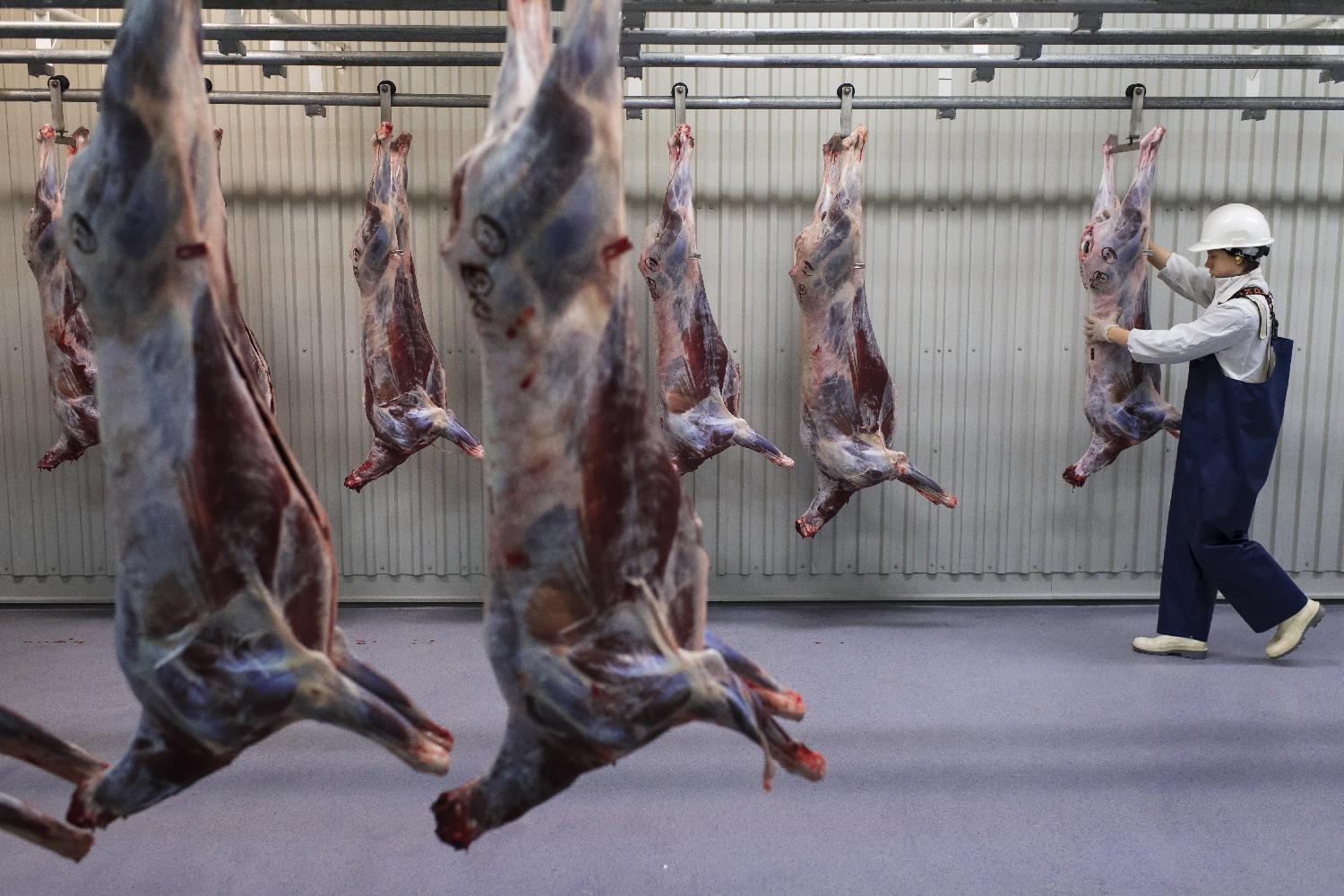
- 161024 Marika Renhuvud helps out in the slaughterhouse on October 24, 2016 in Idre, Sweden. Photo: Joel Marklund / BILDBYRN
-

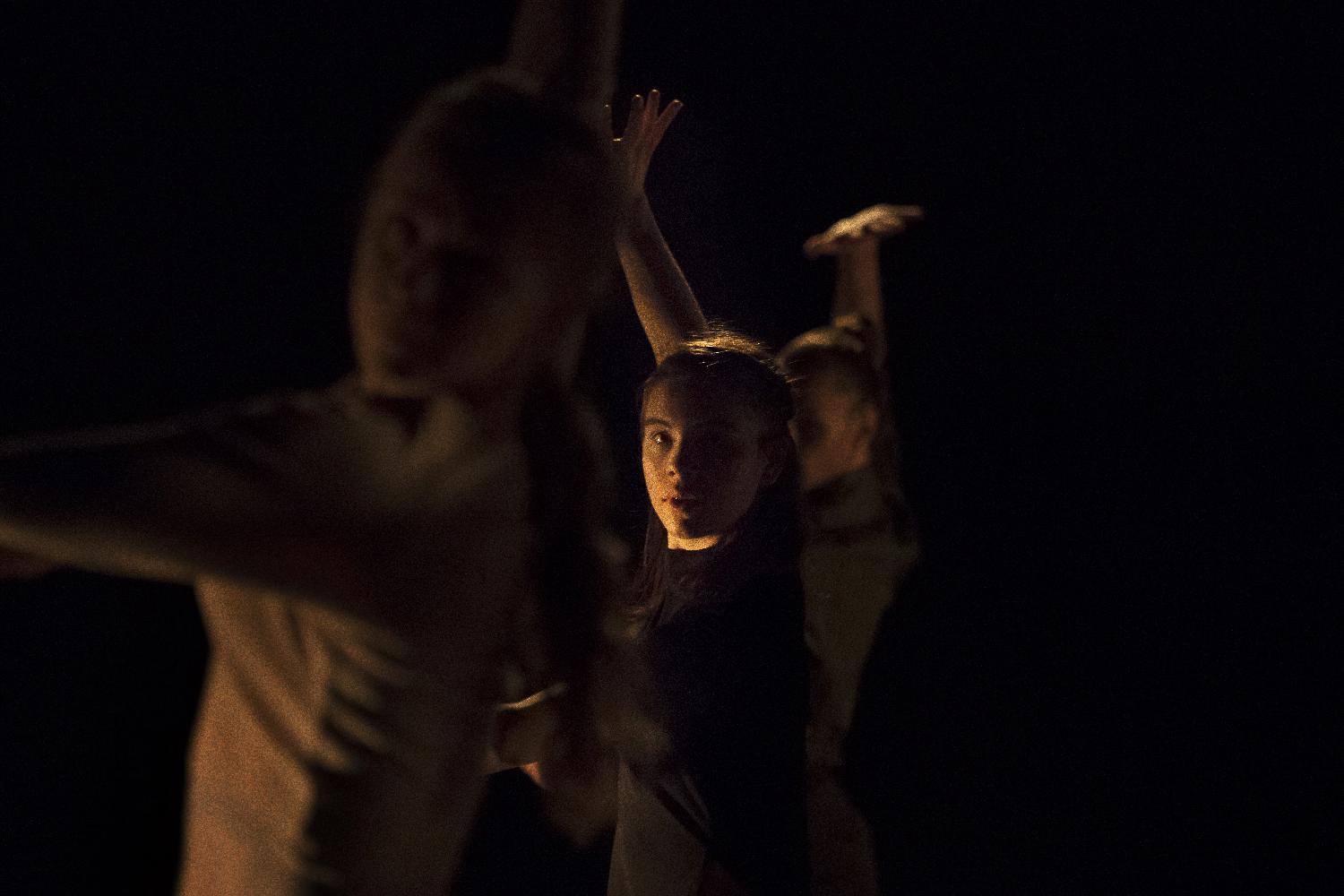
- 170303 Marika Renhuvud performs during a show on March 3, 2017 at the Ballet Academy in Stockholm, Sweden. Photo: Joel Marklund / BILDBYRN
-

- 170318 Maxida Mrak, artist, poses for a portrait on March 18, 2017 in Stockholm, Sweden. “When I grew up I didnÕt think there was anyone in Spmi who could fully represent us. There were no people who wasnÕt turncoats, so I really lacked role models in terms of the Sami struggle and indigenous rights, the political indigenous issues. So then I simply decided to become that person myself, who will never turn her coat after the wind. And who may react more actively than simply in theory.” “In 2014 I was taking part in a demonstration against the mine in Jokkmokk, with my child in a stroller. There came a man leaping against me on the street. He took my stroller with my daughter in it, threw it around, swore and ran away from there. Because it was me who was there. Then I felt how damn important it is to resist when it even becomes physical and literally affects your children.” Photo: Joel Marklund / BILDBYRN

-

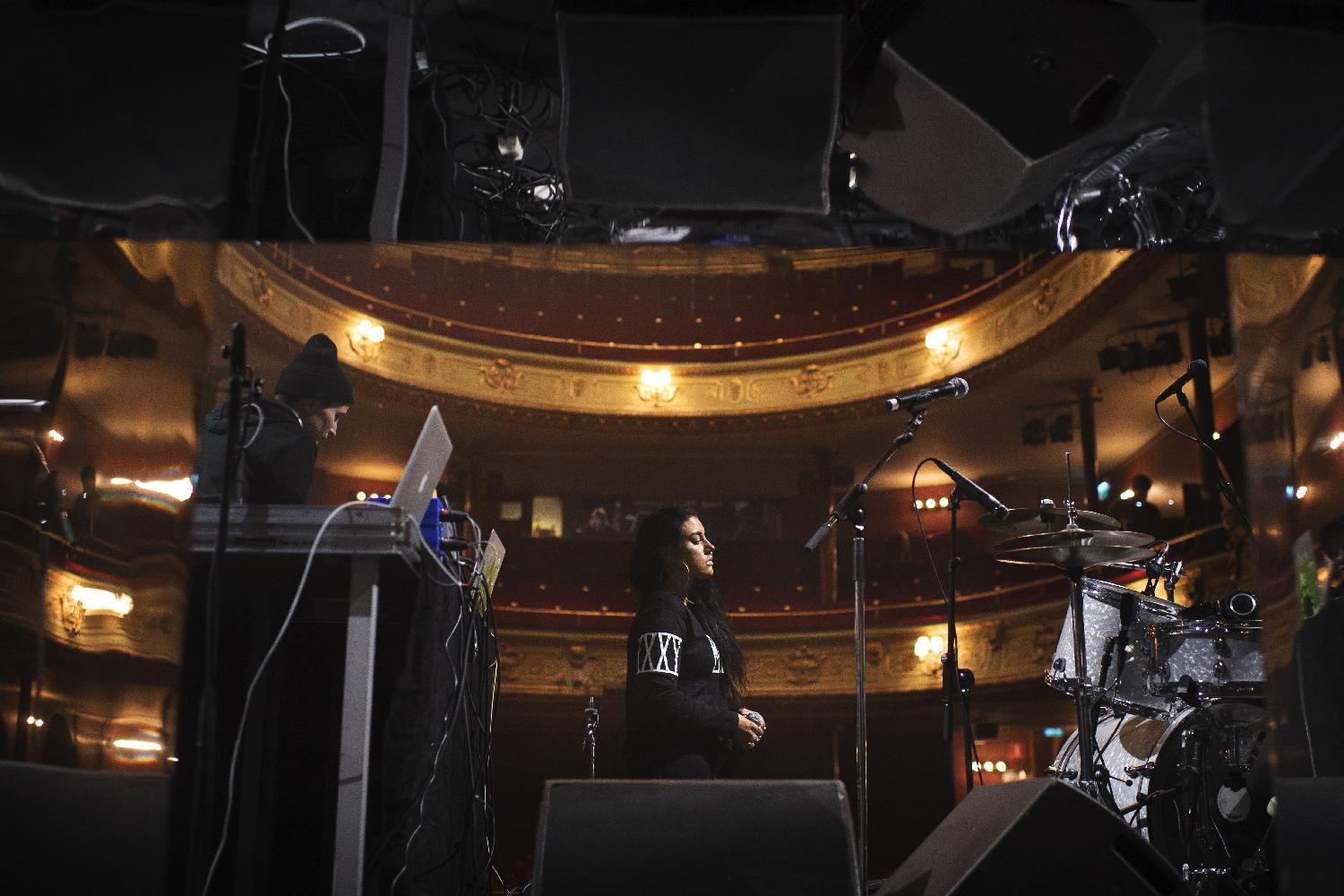
- 161209 Maxida Mrak during a soundcheck before her night performance at Sdra Teatern on December 9, 2016 in Stockholm, Sweden. Maxida Mrak is proud to be Sami and have made strong political stands against the discrimination of Samis. Photo: Joel Marklund / BILDBYRN
-

- 161209 Maxida Mrak is waiting between songs to perform at Sdra Teatern on December 9, 2016 in Stockholm, Sweden. Maxida Mrak is proud to be Sami and have made strong political stands against the discrimination of Samis. Photo: Joel Marklund / BILDBYRN

-

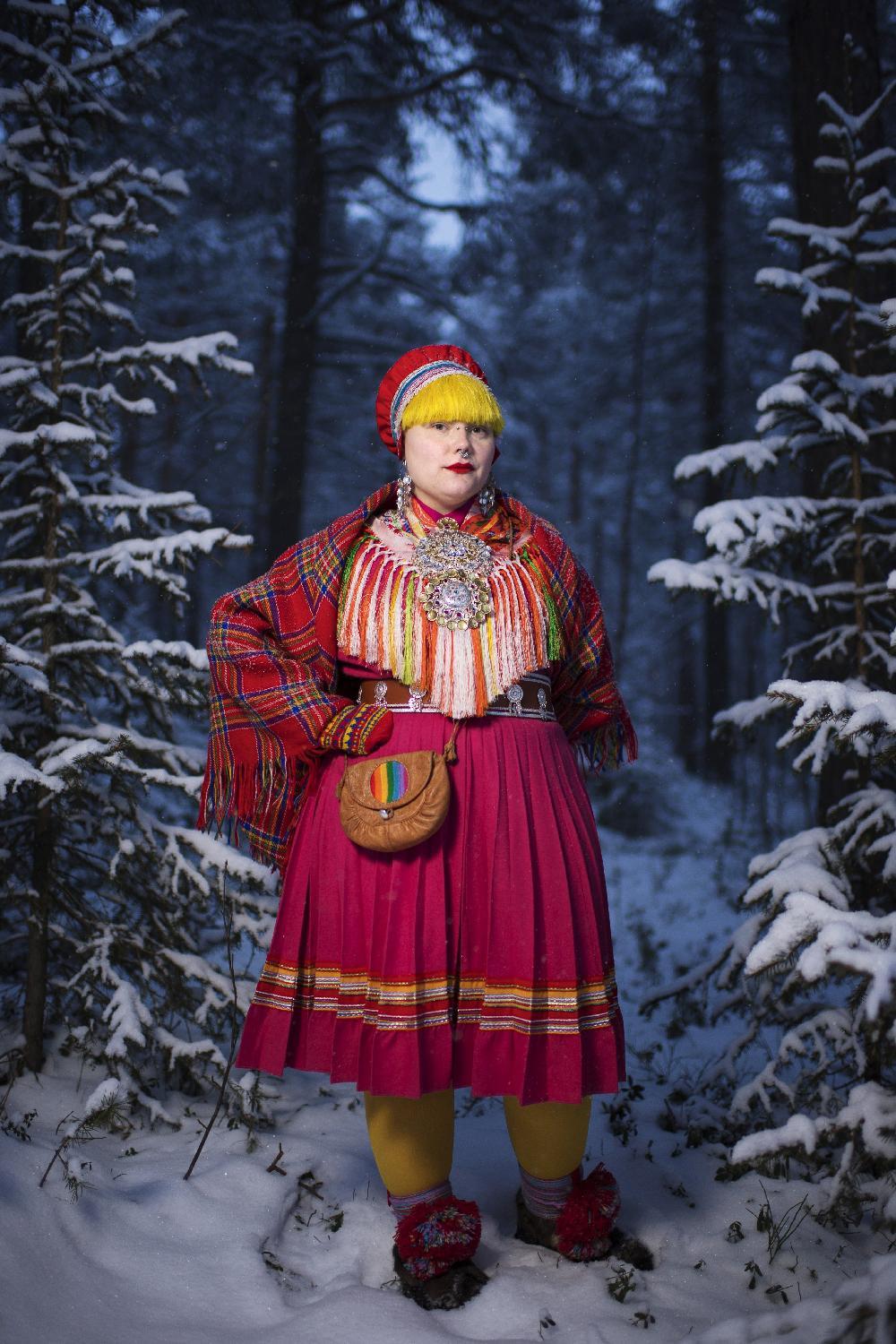
- 170222 Merethe Kuhmunen, student at the Leather and Textile programme at the SamiÕs Education Center, poses for a portrait on February 22, 2017 in Jokkmokk, Sweden. “I remember the first time when I realized that I like girls, I was 10 years old. Where I come from people never talked about LGBT issues. This way it has felt lonely, because I like girls. Therefore it took so long for me to tell that I’m queer. Once I did that, I felt like the world opened up. I have heard terrible things because I’m a lesbian. Even today, I feel that there is much to be done regarding LGBT issues in Spmi. Therefore, I will not give up. I think that everyone should get to be who they are.” Photo: Joel Marklund / BILDBYRN
-

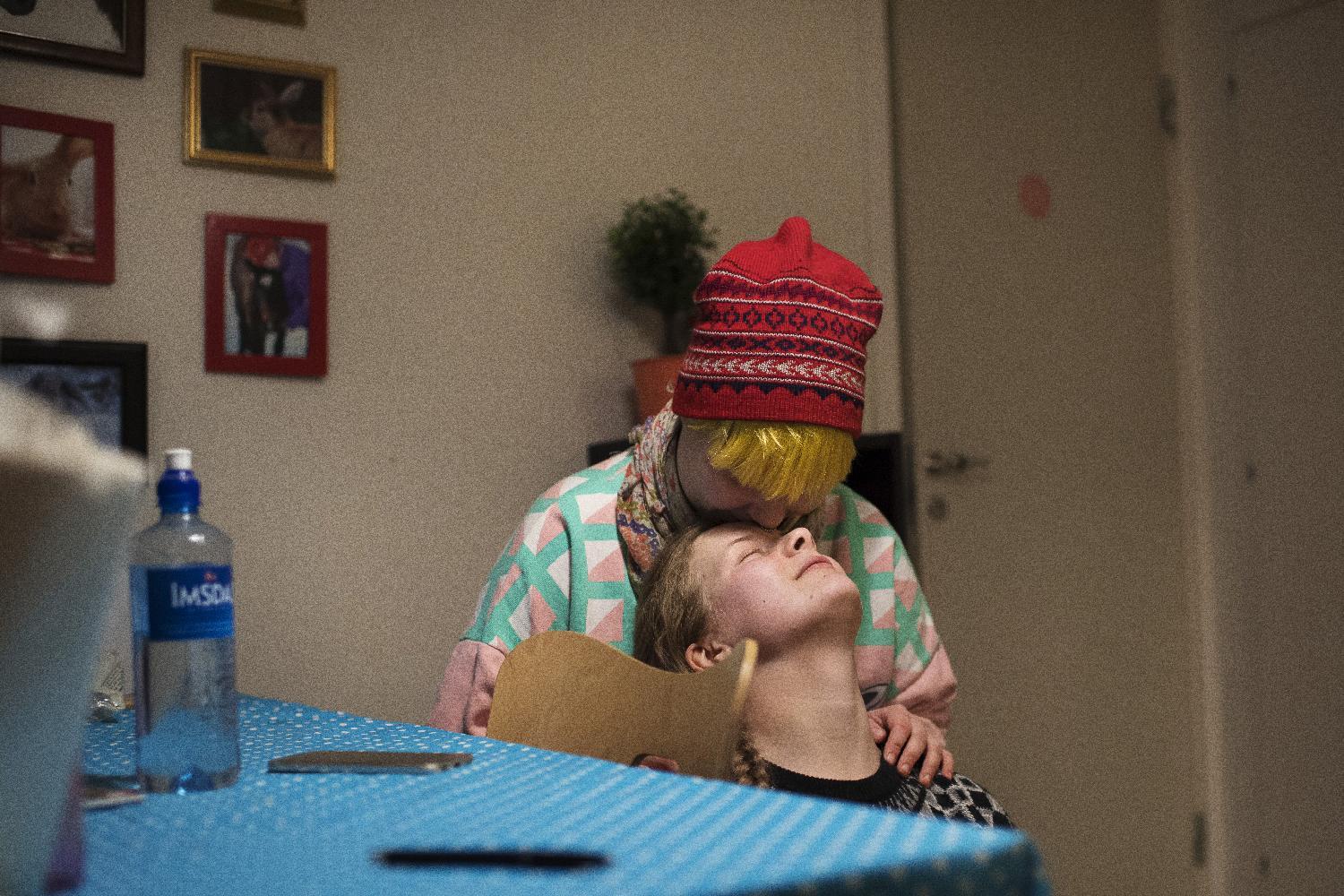
- 170301 Merethe Kuhmunen kisses her girlfriend Magdalena on March 1, 2017 in Uppsala, Sweden. Photo: Joel Marklund / BILDBYRN
-

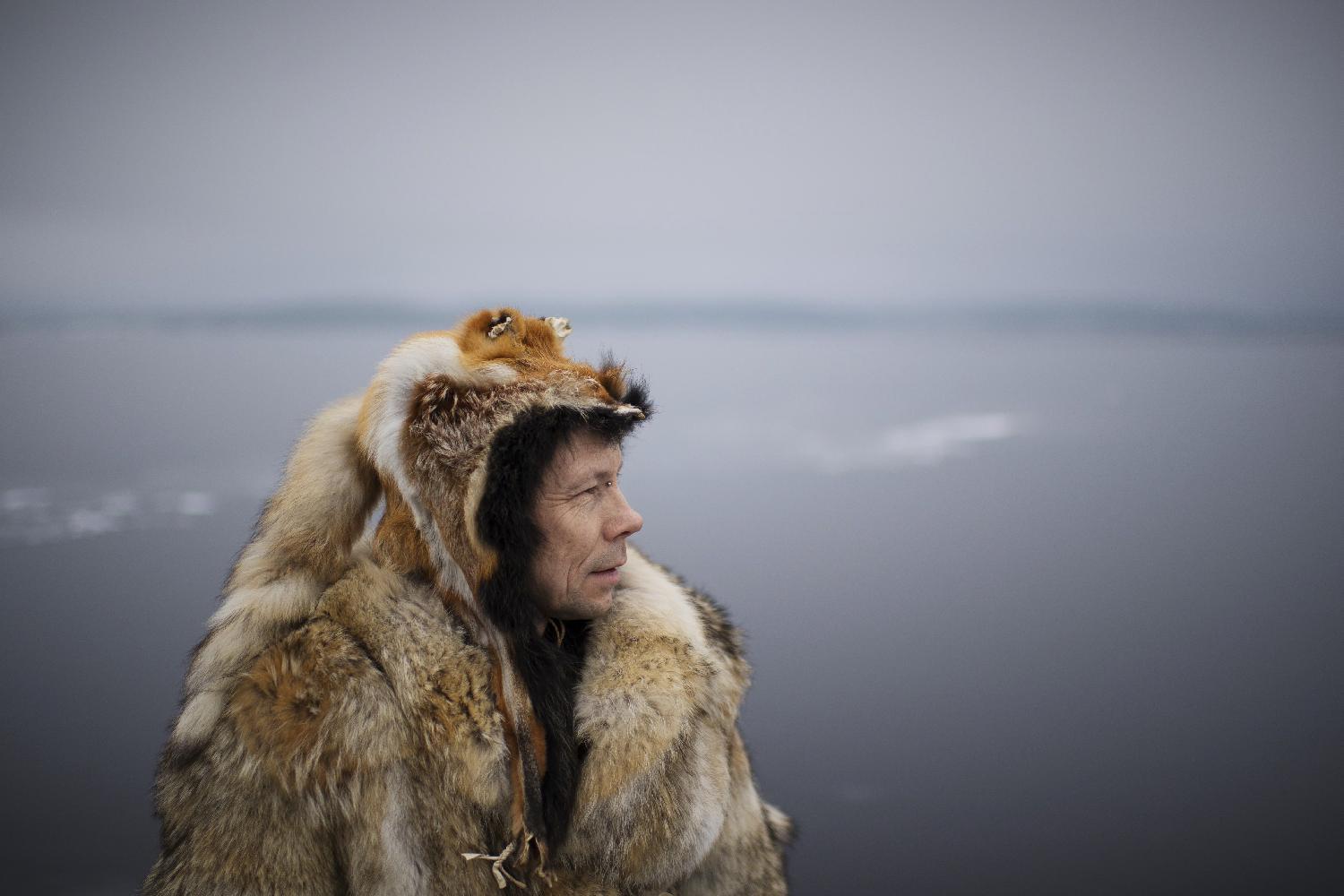
- 170216 Ola Stinnerbom, Sami artist and drum maker, poses for a portrait on February 16, 2017 in Sunne, Sweden. The Sami people traditionally inhabit a territory known as Spmi, which traverses the northern parts of Norway, Sweden, Finland and the Russian Kola peninsula. Although the Sami are divided by the formal boundaries of the four States, they continue to exist as one people and are united by cultural and linguistic bonds and a common identity. Sweden voted in favour of the United Nations Declaration on the Rights of Indigenous Peoples in 2007, but has not ratified the ILO Indigenous and Tribal Peoples Convention, 1989 (No. 169), despite recommendations from international human rights mechanisms to do so. In 2016 the UN Human Rights Committee and the UN ICESCR Committee raised continuing concerns about the ability of Sami people to enjoy the rights of Indigenous Peoples, notably their land rights. Nine Samis, Maxida Mrak, Anders Sunna, Katarina Kielatis, Matti Berg, Ola Stinnerbom, Merethe Kuhmunen, Bo Sunna, Marika Renhuvud and Mattias Jonsson tell their stories about how it is to live like a Sami today in Sweden. Photo: Joel Marklund / BILDBYRN
-

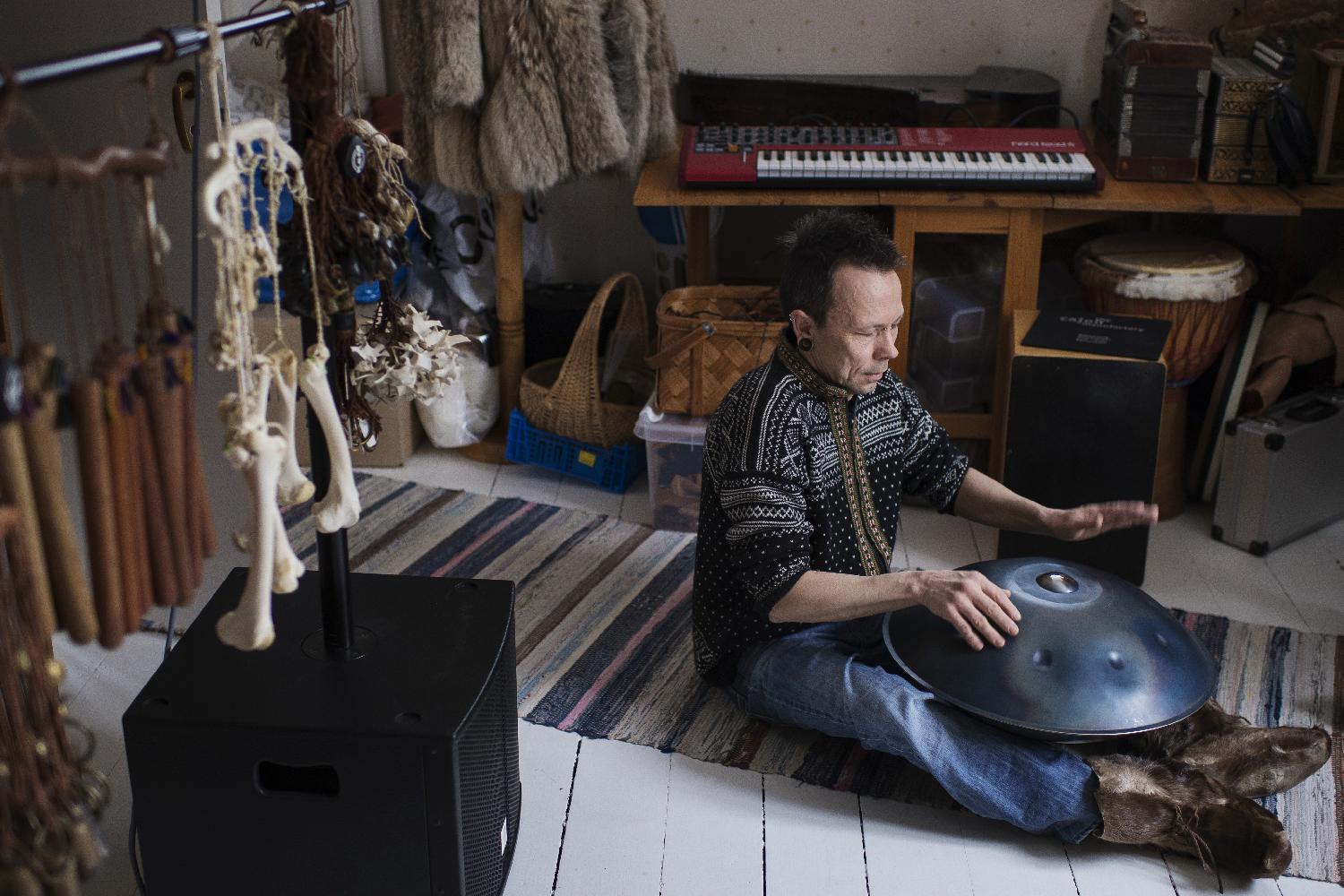
- 170216 Ola Stinnerbom plays an instrument on February 16, 2017 in Sunne, Sweden. Photo: Joel Marklund / BILDBYRN
-

- 170628 Marika Renhuvud, dancer, poses for a portrait on June 28, 2017 in Storstern, Sweden. She grew up just by the waterfall in Storstern, and come from SwedenÕs southernmost Sami village, Idre Sami village. “I moved to Falun when I was ten years old and then started dancing. Since then I have kept on dancing and now I live in Stockholm and study dance at the Ballet Academy.” “It was not obvious for me to move and go all in on dance. During my whole life I have loved to work with the reindeers and since I was a little kid followed my dad out into the reindeer forest. ThatÕs something I really love. But in some way, I realised that have to dance as it makes me happier than anything else.” “What made me apply the Sami into dance was when we were given a task in school. I was so angry at the time because there were so much carnivore in our Sami village and this ILO 169 Convention was a hot topic at the time. I have been angry with Sweden for a long time because they didnÕt ratify ILO 169, so I chose to do a solo called ‘ILO 169’. I danced out all my pain that I feel and all injustices and that we donÕt have the rights we should have.” “I think that with the help of dance you can tell things, tell stories about our culture and inform. But also that I can express myself in my pain and what I feel and what I think, what I want to change in society. I hope in the end thereÕs someone who sees what I do and maybe I can change something with the help of my dance.” Photo: Joel Marklund / BILDBYRN
